F1 engine makers have just been told to keep their hands off the most exciting engine the sport has promised in years. Until 1 July 2028, no manufacturer already in the sport may run a complete 2.1-litre turbocharged V8 on a dyno, and from the 13th race of the 2028 season the current hybrid V6 power units will be frozen for good.
The plan was confirmed by the FIA’s single-seater director Nikolas Tombazis in a recent interview, and it has been agreed with every party involved. It draws a hard line between two eras of Formula 1: the V6 hybrids racing today and the V8 that arrives in 2030.
Two deadlines, one goal
The timeline is strict. Until 1 October 2027, the established manufacturers cannot even run a single cylinder of the new V8 on a test bench. Full engine dyno running is banned until 1 July 2028, a date that lines up almost exactly with the 13th round of that season.
From that race on, the current V6 units get reliability updates only. No more performance upgrades are allowed. The idea is simple: nobody should be paying for two full engine programs at the same time.
“What we want to avoid for cost reasons is that they have two parallel programs,” Tombazis said.
Why the leaders can’t jump ahead
Cost is only half the story. Without the freeze, a manufacturer with a dominant engine today could stop developing it early and pour everything into 2030, while a rival still chasing performance would be stuck fixing the present. The FIA wants to shut that door.
“What we also want to avoid is that some of the current PU manufacturers may get a significant advantage if they are very competitive at the moment,” Tombazis explained. He added that the FIA does not want anyone to be “frozen and to be way down” when the deadline hits. Honda, which has struggled this season, is exactly the kind of maker the rule is meant to protect.
That is why the next big topic is ADUO, the system that gives extra development help to manufacturers who fall behind. Tombazis admitted the FIA is “a bit late” on reworking it and that no final decision has been made yet.
The Cadillac exception
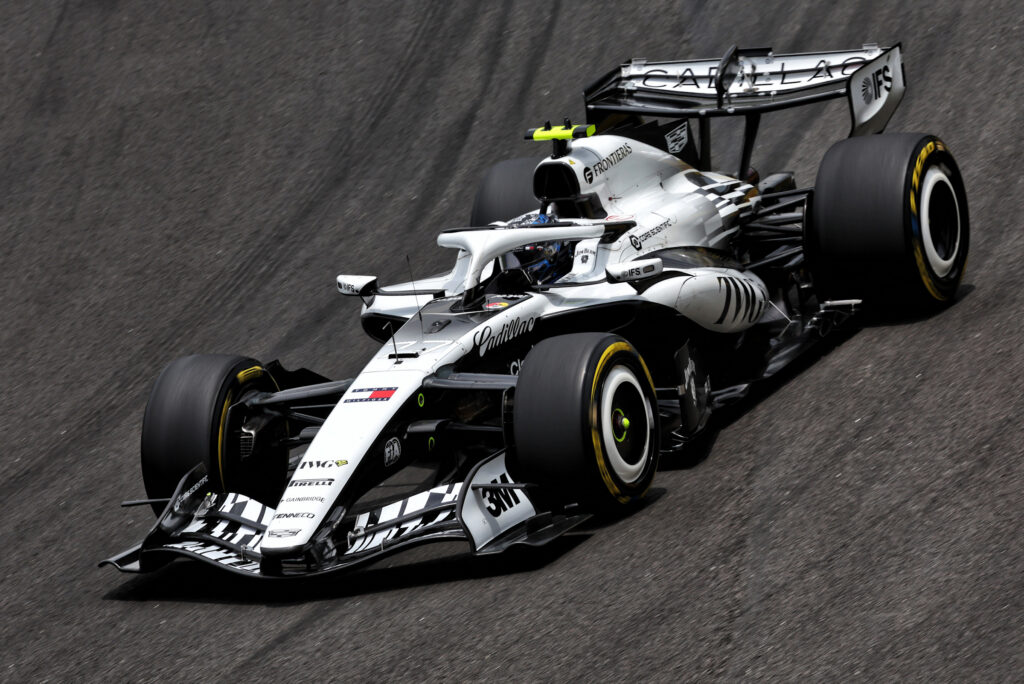
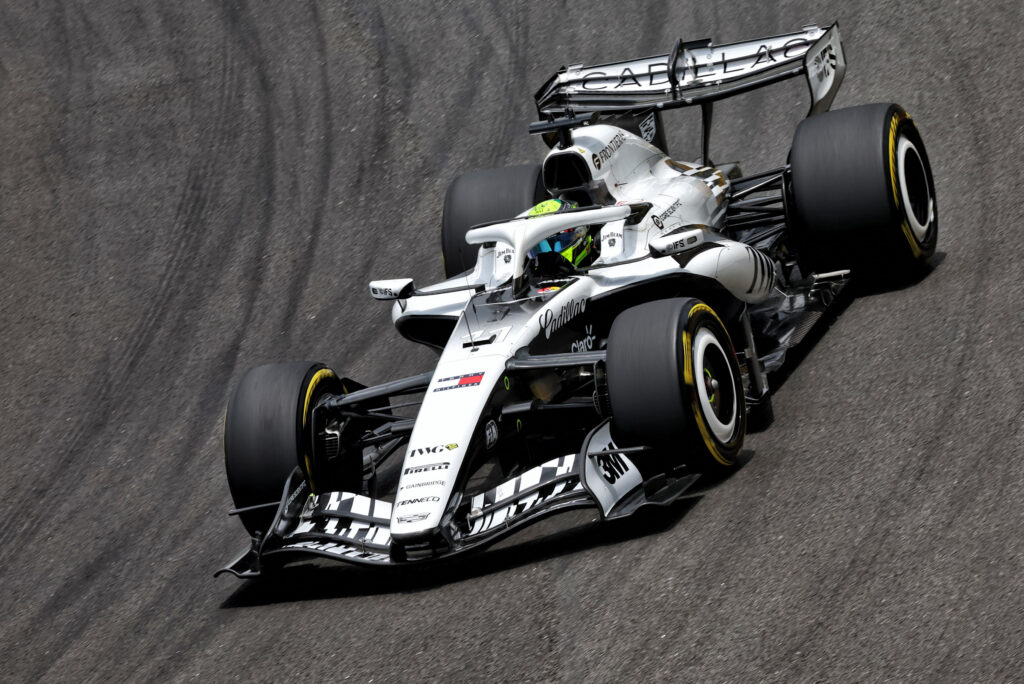
There is one notable gap in the rules. The restrictions do not apply to newcomers, which means General Motors can start simulation work on its own Cadillac power unit earlier than the established names.
For a brand that only just arrived on the grid, that is a real opportunity. For everyone else, the countdown to the V8 era now comes with a very clear set of rules, and nobody gets to sneak ahead.